
FIFA | The Home of Football(国际足联 | 足球的殿堂)
FIFA: The Heart of Global Football
Welcome to the world of football, where passion, excitement, and unity come alive under one iconic banner—FIFA. As the governing body of the beautiful game, FIFA stands as the ultimate home for football enthusiasts, players, and federations worldwide. Whether it’s the thrill of the World Cup or grassroots initiatives shaping young talent, FIFA embodies the spirit of the sport. In this article, we’ll explore why FIFA is truly the heartbeat of global football, diving into its role, impact, and unforgettable moments that define the game we love.
FIFA’s Role in Uniting the World Through Football
At its core, FIFA, or the International Federation of Association Football, is more than just an organization; it’s a unifying force. Established in 1904, it now oversees 211 member associations, making it a cornerstone of international sports. FIFA’s mission is to promote football globally, ensuring that the sport remains accessible and inclusive. From organizing major tournaments like the FIFA World Cup to supporting development programs in remote regions, the organization bridges cultural and geographical divides. The keyword FIFA football naturally fits here, representing not just a game but a universal language that connects billions.
One striking example of this unity is the 2010 FIFA World Cup in South Africa. As the first World Cup hosted on African soil, it showcased FIFA’s commitment to bringing the sport to every corner of the globe. The event wasn’t just about matches; it was a celebration of diversity, with fans from all walks of life chanting in unison for their teams. Such moments underline why FIFA is often called the home of football—a place where everyone belongs.
Driving Innovation and Development in Football
Beyond hosting iconic events, FIFA plays a pivotal role in shaping the future of the sport through innovation and development. The introduction of technologies like VAR (Video Assistant Referee) during the 2018 World Cup is a testament to FIFA’s forward-thinking approach. This system, though initially controversial, has improved decision-making accuracy, ensuring fairness on the field. It’s a clear sign that FIFA is dedicated to evolving with the times while preserving the essence of football.
Additionally, FIFA invests heavily in grassroots programs to nurture talent at the local level. Initiatives like the FIFA Forward Programme provide funding and resources to member associations, helping build infrastructure and train coaches in underprivileged areas. This focus on development ensures that the sport isn’t just for elite players but for every child dreaming of kicking a ball on a dusty field. When we talk about global football, FIFA’s efforts to democratize the game stand out as a defining factor.
Memorable Moments That Define FIFA’s Legacy
FIFA’s history is packed with moments that have left an indelible mark on football. Think of the 1970 World Cup in Mexico, where Pelé and Brazil mesmerized the world with their flair, cementing FIFA tournaments as the pinnacle of the sport. Or consider the 1991 launch of the FIFA Women’s World Cup, a groundbreaking step toward gender equality in football. These milestones aren’t just events; they are chapters in a story that continues to inspire generations.
Another powerful case is the 2002 World Cup co-hosted by South Korea and Japan. It was the first time the tournament was held in Asia, breaking new ground and expanding football’s reach. The electrifying atmosphere, coupled with underdog stories like South Korea’s semifinal run, reminded us why FIFA’s global stage is unmatched. Such events highlight the organization’s ability to create unforgettable memories while fostering a sense of global camaraderie through FIFA football.

Challenges and the Road Ahead
While FIFA’s contributions are immense, it hasn’t been without challenges. Issues like governance transparency and the environmental impact of massive tournaments have sparked debates. However, FIFA has taken steps to address these concerns, implementing reforms and sustainability initiatives. For instance, the 2022 Qatar World Cup faced scrutiny, but it also introduced innovations like reusable stadiums, setting a precedent for future events. This adaptability shows that FIFA is committed to not just being the home of football but also a responsible steward of its future.
As the world of football continues to grow, FIFA remains at the forefront, navigating complexities while staying true to its mission. Whether through technological advancements, inclusivity efforts, or iconic tournaments, the organization continues to define what it means to be the heart of global football.
相关文章
-
 2026-04-15
倒计时1天,顶级赛事大幕将启——以体育之名,秀出“国际范”(距顶级赛事开幕仅剩1天——以体育为媒,彰显“国际风采”)
倒计时1天 顶级赛事大幕将启——以体育之名 秀出国际范 前言:全球瞩目 体育盛宴即将开启 距离顶级赛事开幕仅剩1天,全球的目光正聚焦于这场即将点燃激情的体育盛会!这不仅是一场竞技的较量,更是文化交
-
 2026-04-15
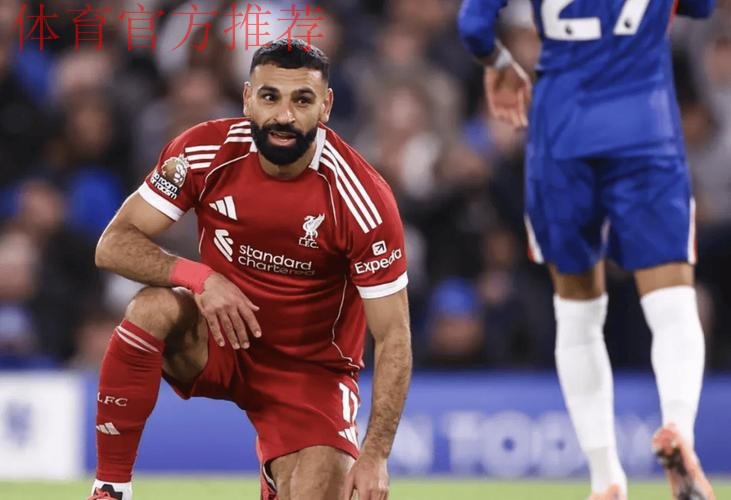
2-3!1.3亿先生持续哑火,萨拉赫破门难救主,利物浦英超4连败
2-3逆转之夜的冷雨 对于利物浦来说 像是一场从梦想跌回现实的残酷提醒 本应是冲击前四甚至争冠的关键阶段 却在一场又一场的失利中不断丢分 本轮2-3失利更像是一面镜子 把球队所有的问题毫不留情地照了出
-
![[羽毛球]第二场女单较量王祉怡不敌安洗莹([羽毛球]女单第二战:王祉怡惜败安洗莹)](https://wap-shijubeizhibo.com/themes/wap_shijubeizhibo_com/images/20250516073002188167.png) 2026-04-15
2026-04-15[羽毛球]第二场女单较量王祉怡不敌安洗莹([羽毛球]女单第二战:王祉怡惜败安洗莹)
羽毛球第二场女单较量王祉怡不敌安洗莹 引言:女单赛场上的激烈对决引人注目 在羽毛球赛场上,每一场女单比赛都充满了悬念与激情。近日,备受瞩目的第二场女单较量中,中国选手王祉怡迎战韩国名将安洗莹。这场
-
 2026-04-15
2025年世界球会杯抽签揭晓曼市和尤文图斯同组(2025年世界球会杯分组出炉:曼城与尤文图斯狭路相逢)
2025年世界球会杯抽签揭晓:曼市与尤文图斯同组 引言:足球盛宴即将开启,豪门对决引爆期待 随着2025年世界球会杯抽签结果的公布,全球足球迷的目光再次聚焦在这项顶级赛事上。本次抽签的最大亮点莫过